Performance & Load Testing Made Simple: Why It Matters, When to Do It, and How to Start
Introduction
Performance and load testing can sound intimidating, but at its core, it is about understanding how a system behaves when real users start using it together. It turns assumptions into measurable data and helps teams make informed decisions about scalability and reliability.
This guide explains performance and load testing in a clear, simple way, focusing on why, when, and how teams should approach it.
What Is Performance Testing?
Performance testing evaluates how a system behaves in terms of speed, stability, and reliability under different conditions. It is not only about making things fast; it is about observing how the system reacts when it is under pressure.
Performance testing helps you understand:
- How quickly requests are handled
- Whether the system can handle expected usage
- How performance changes over time
- How the system behaves when resources are stressed
What Is Load Testing?
Load testing is a specific type of performance testing that focuses on how the system behaves under expected traffic levels. For example:
- Hundreds of users accessing the system at the same time
- A steady stream of API requests per minute
- Peak-hour usage patterns
The goal is to confirm that the system works reliably under normal and peak conditions, not to intentionally break it.
Why Performance and Load Testing Are Important
Many applications struggle once real users arrive because real-world usage is different from single-user testing. Without performance testing:
- Pages can become slow under traffic
- APIs may timeout or fail
- Databases can get overloaded
- Systems may crash instead of degrading gracefully
Common Types of Performance Tests
- Load Testing: Validates system behavior under expected traffic.
- Stress Testing: Pushes the system beyond its limits to understand breaking points.
- Spike Testing: Simulates sudden traffic increases and checks recovery behavior.
- Soak Testing: Runs a steady load over a long period to detect memory leaks.
Key Metrics to Focus On
Focus on a few important metrics to get meaningful results:
- Response time (Percentiles like p95 or p99)
- Throughput (Requests per second)
- Error rate under load
- Stability over time
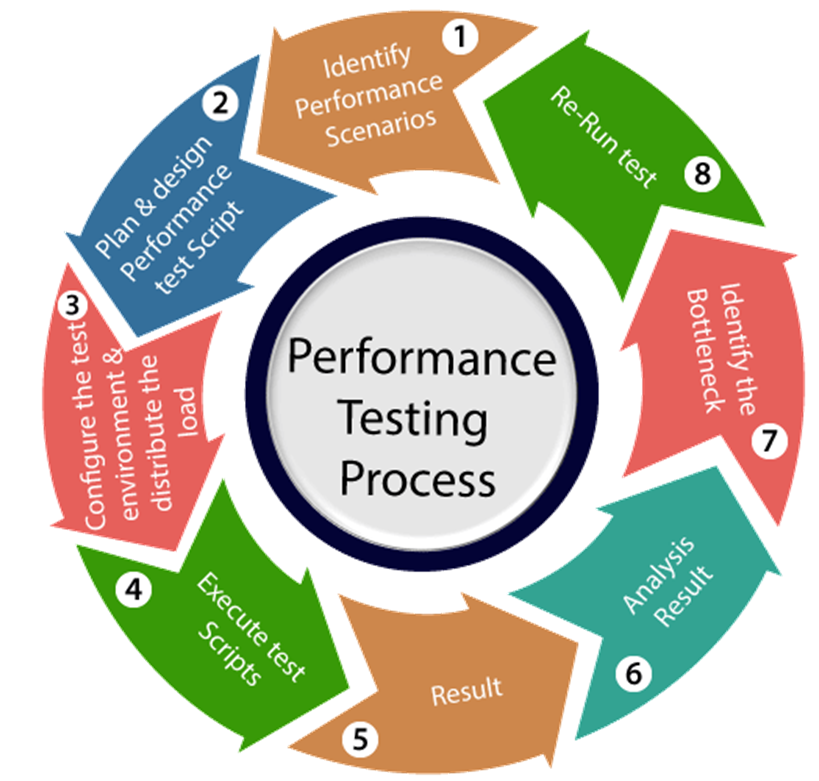
How Load Testing Is Typically Done
- Choose a realistic user journey.
- Define expected load and test duration.
- Simulate users using a tool such as JMeter.
- Collect performance metrics and analyze results.
- Improve the system and retest.
Conclusion
Performance and load testing help teams understand system limits before users experience them. By knowing why you are testing, when to run tests, and how to interpret results, performance testing becomes a practical and valuable part of quality assurance rather than an optional extra.